

Below is a list of selected publications by members of the LALAHH laboratory.
Search for the publications by title or writer’s name.
Publications
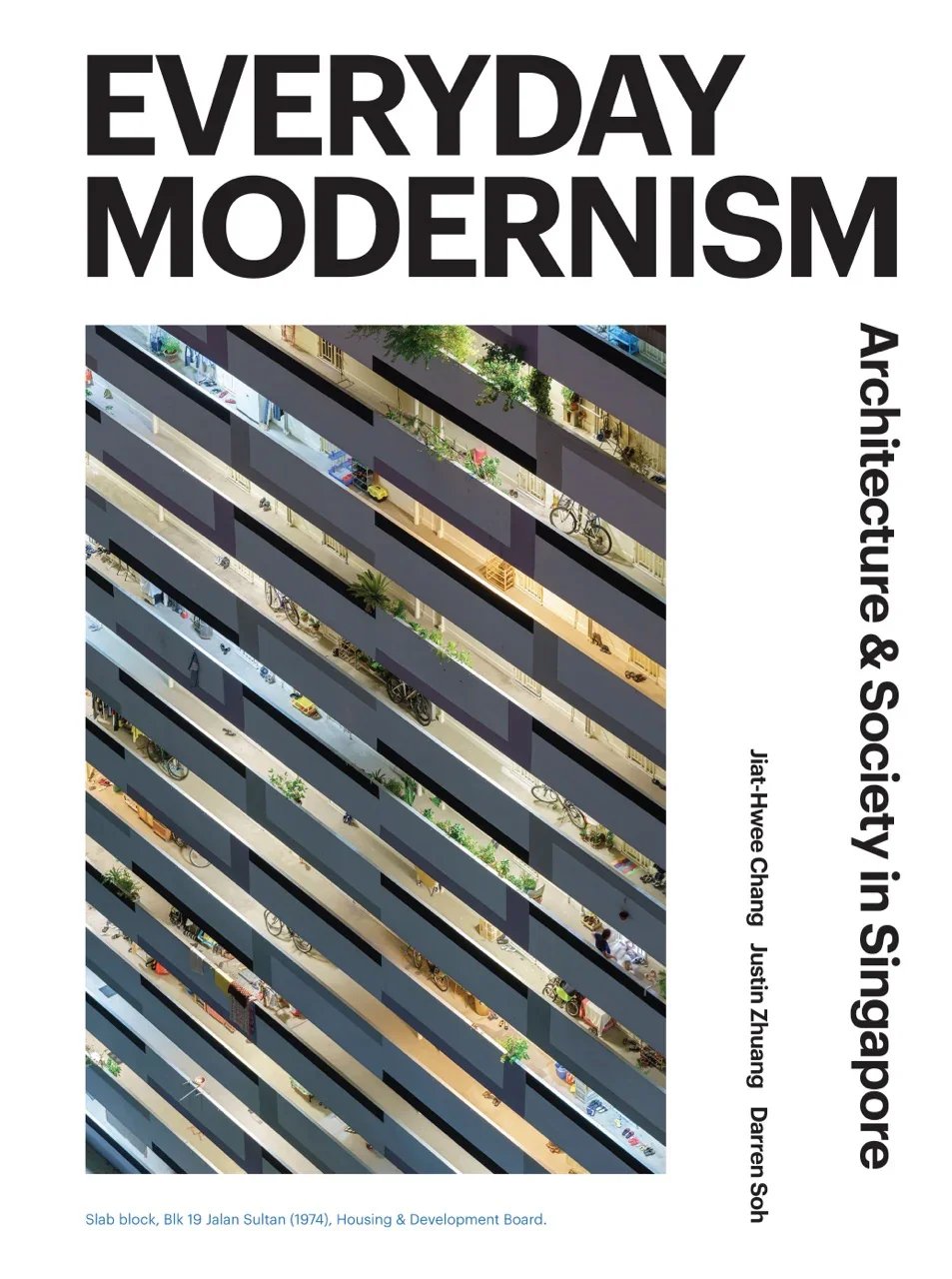
Everyday Modernism: Architecture and Society in Singapore
Everyday Modernism is the first comprehensive documentation of Singapore’s modern built environment. Through a lens of social and architectural histories, the book uncovers the many untold stories of the Southeast Asian city-state’s modernisation, from the rise of heroic skyscrapers, such as the Pearl Bank Apartments, to the spread of utilitarian typologies like the multi-storey car park.
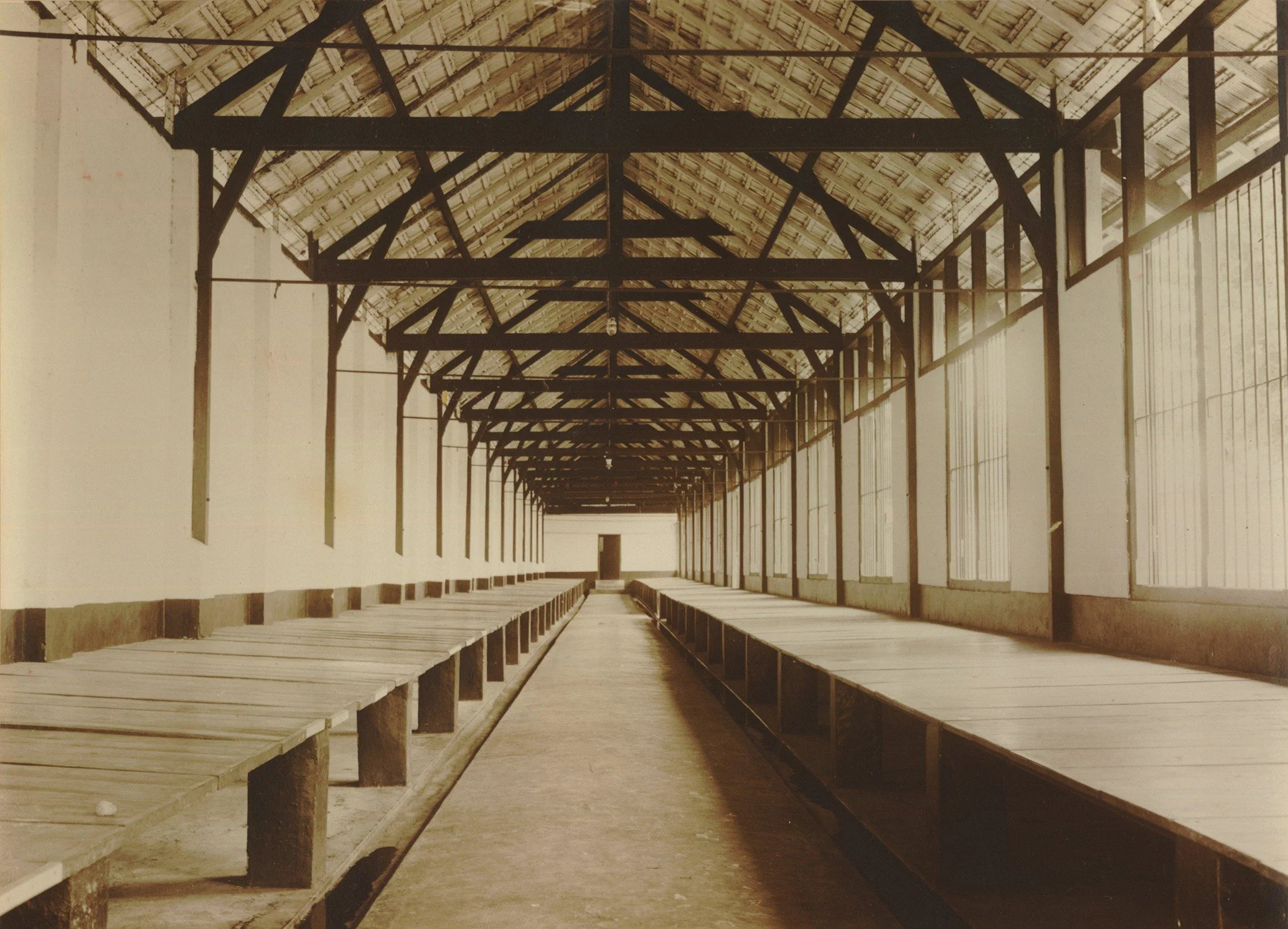
Infrastructuring Migration: Routes, Nodes, and the Construction of Labour Mobility in Colonial Sumatra
This paper examines the construction of labour mobility supporting the region’s commodity industries, which involved activating a constellation of buildings in more than one hundred locations, from Semarang to Hong Kong, to facilitate the systematic documentation and selection of labourers as well as their transportation.

The Evolving Role of India’s Foremost Heritage Custodian: Archaeological Survey of India
This chapter reassesses the Archaeological Survey of India’s (ASI) capacity for institutional change through the author’s experience as an in-house conservation architect between 2010 and 2013.
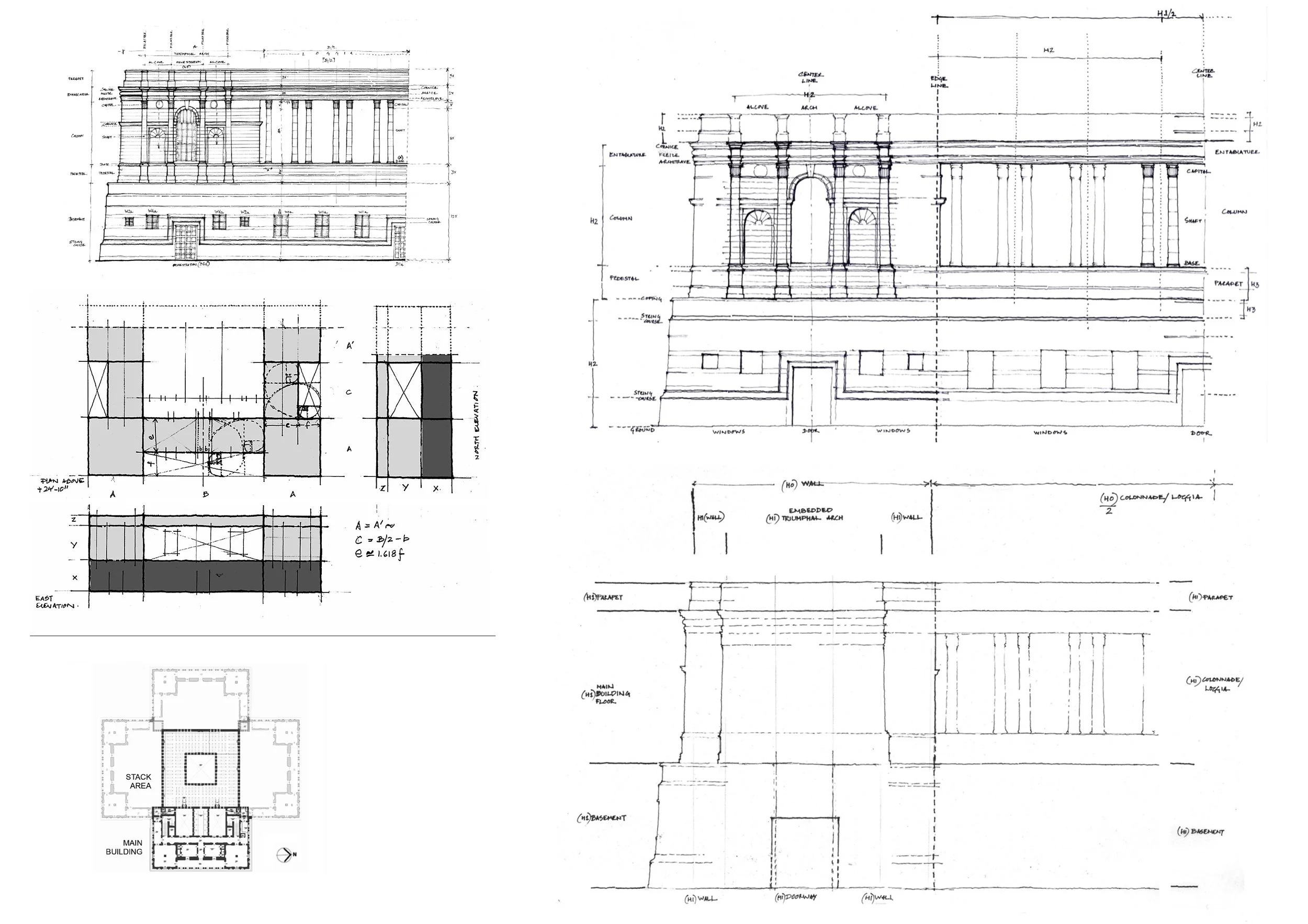
The Imperial Record Office in Delhi: An Architectural Paradox
This paper analyses the Imperial Record Office, now the National Archives of India in New Delhi, to question historiographical accounts that frame Imperial Delhi primarily through neoclassical form and garden-city planning.
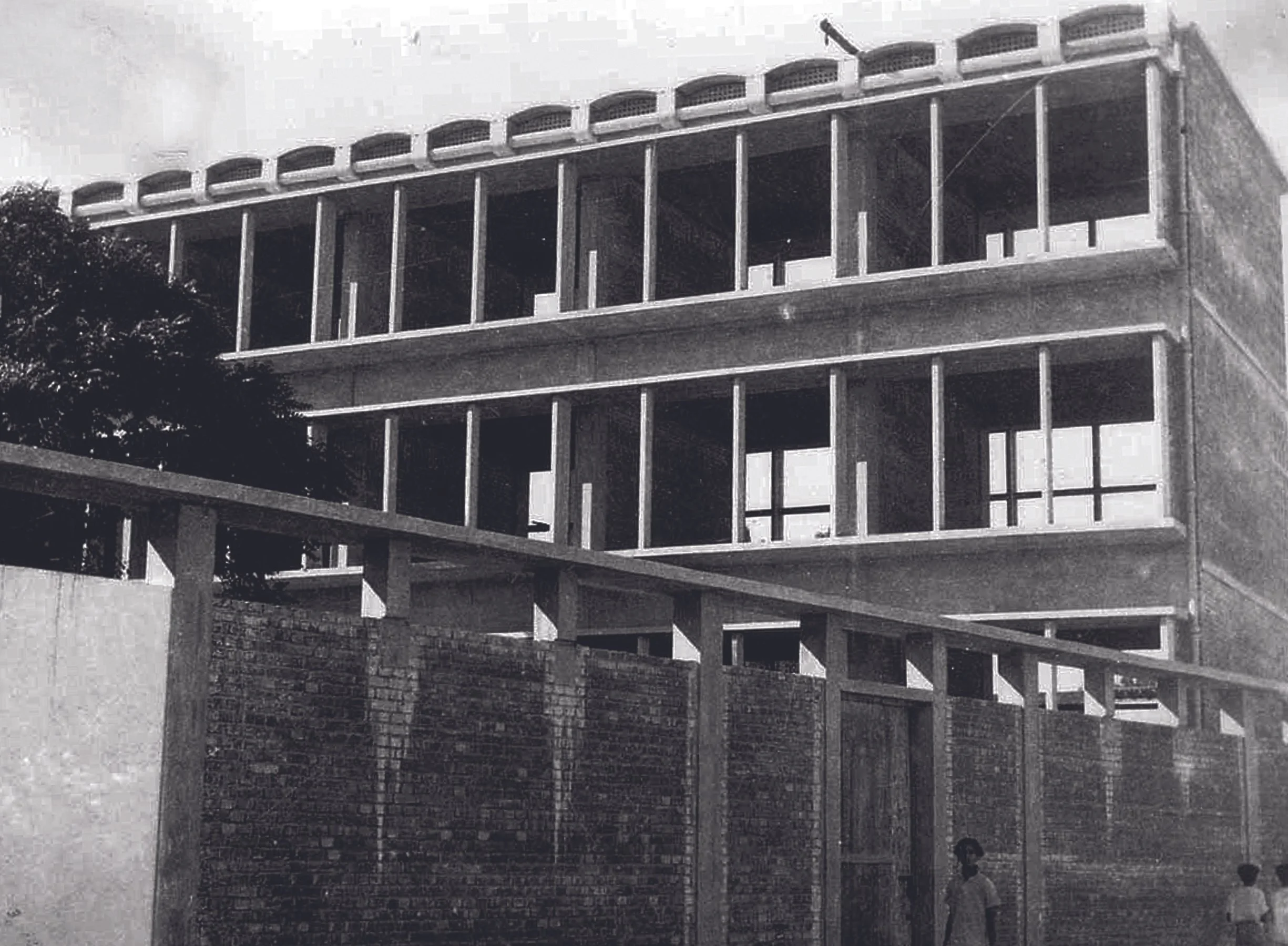
Narrating architecture as a process: Two histories of “self-building” Golconde
This article shifts emphasis in the term “building” from its noun to verb sense, as exemplified by the Golconde dormitory conceived and built between 1935 and c.1948 in a French colony on India’s south-eastern coast, Pondicherry.
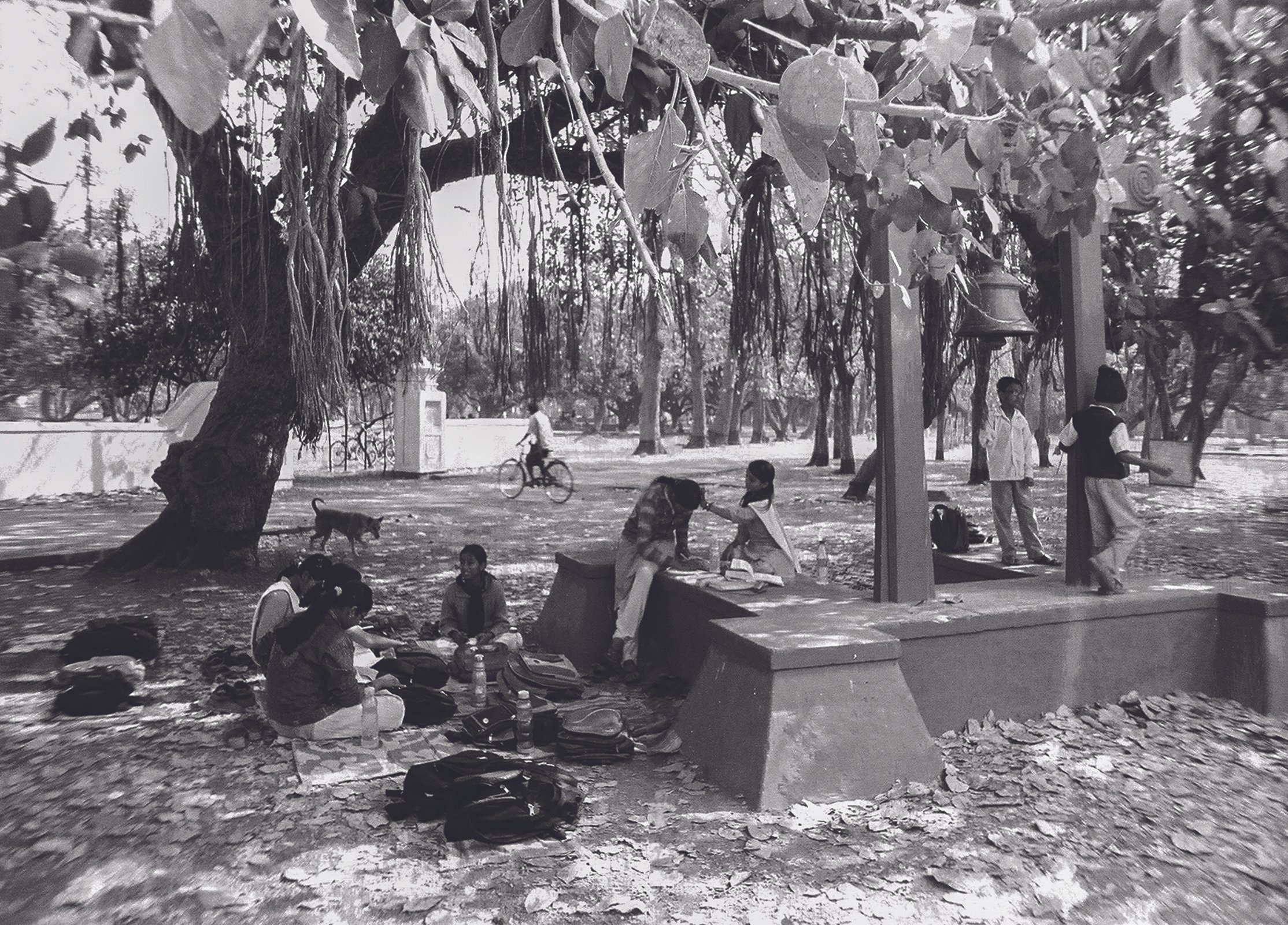
Naming Spaces: Discovering New Vocabularies of Modernity
This paper rethinks concepts of ‘site’, ‘landscape’, and ‘architecture’ within heritage discourse by centring Santiniketan in eastern India, where Rabindranath Tagore developed the educational and cultural experiment Visva-Bharati.
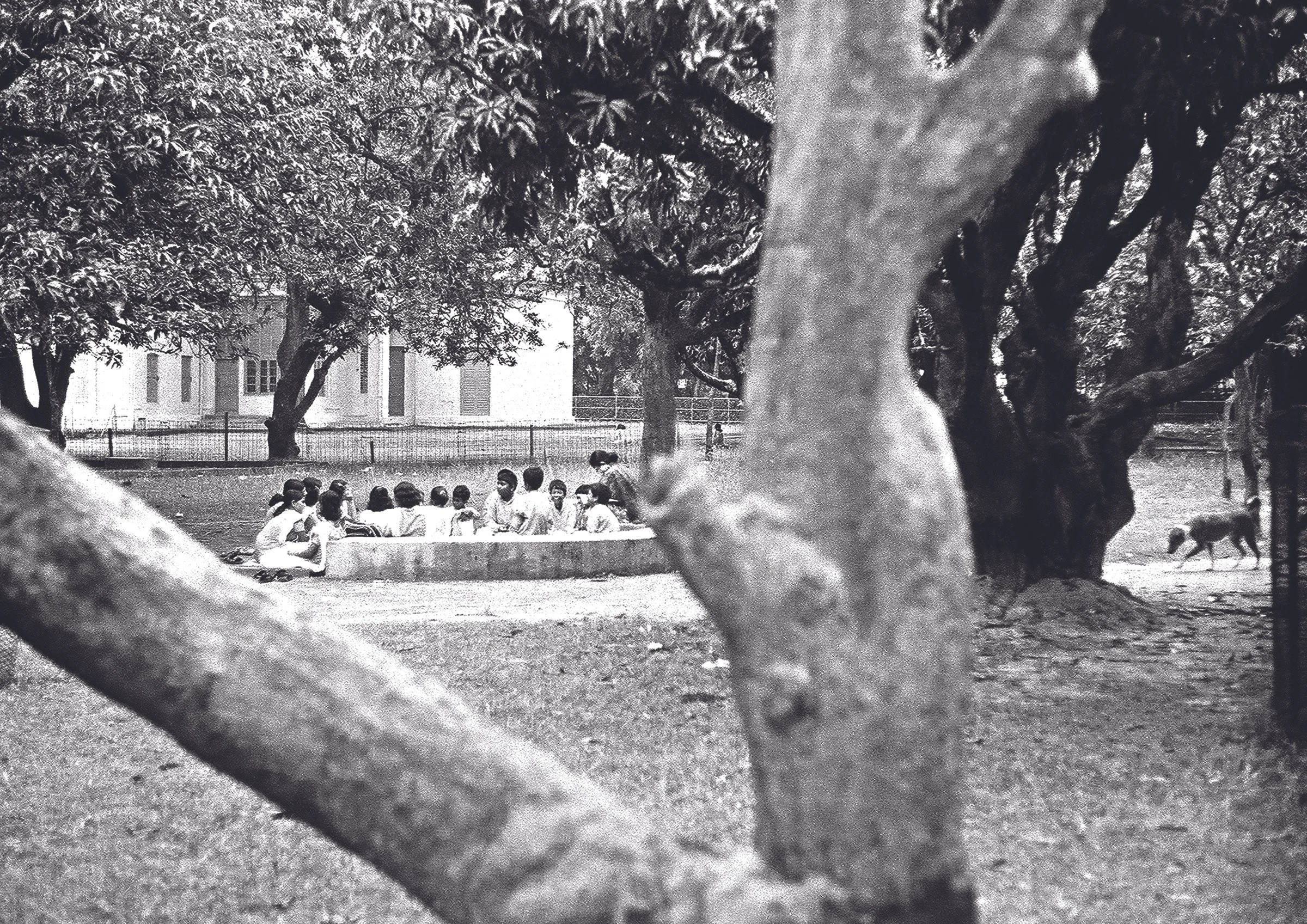
Nest or Property? Some Reflections on Santiniketan’s World Heritage Status
This short essay foregrounds the gap between Santiniketan’s UNESCO World Heritage inscription and Rabindranath Tagore’s conception of its educational and cultural environment as a ‘nest’.
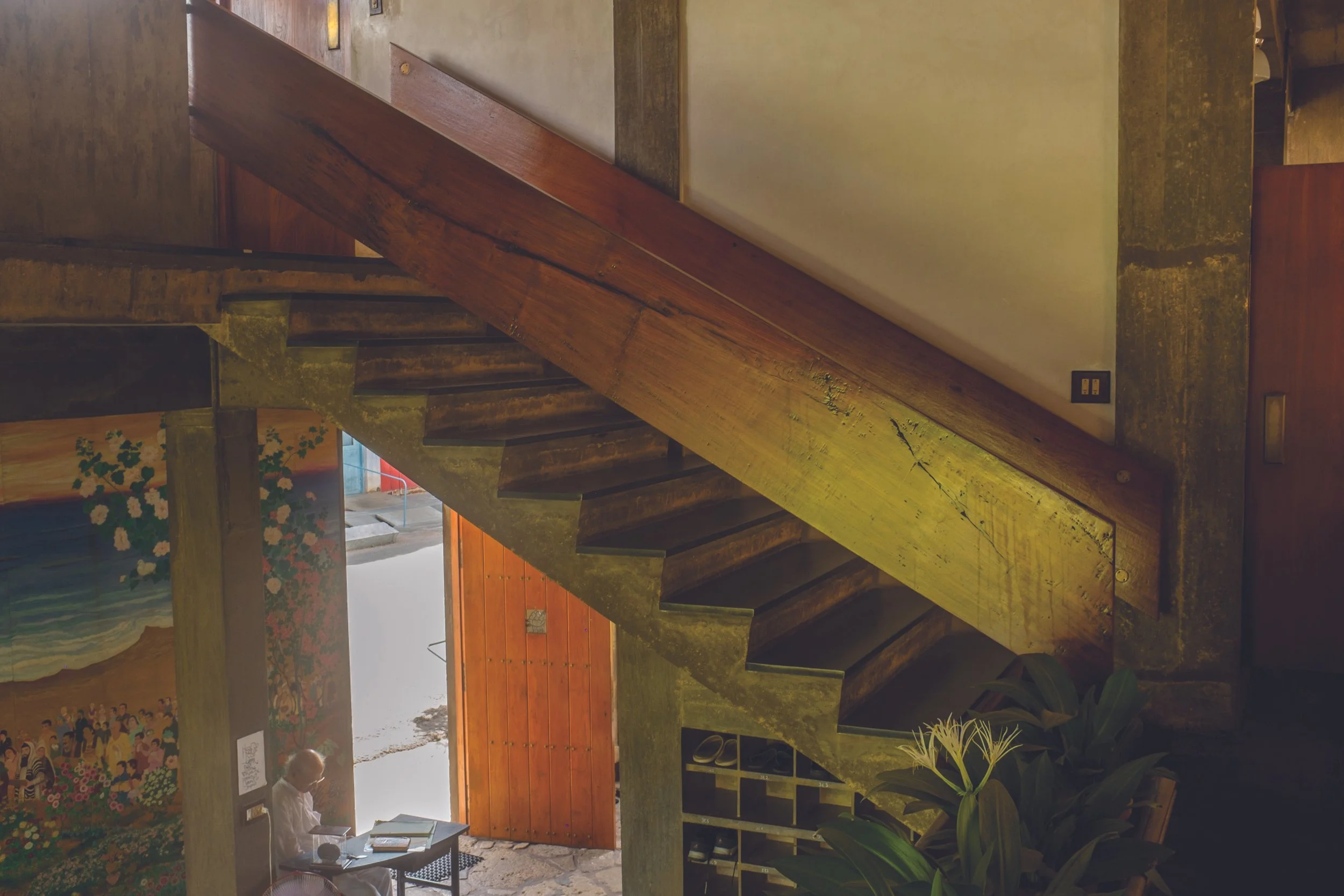
Labor or Work? Remembering operations in the construction of the Golconde dormitory, Pondicherry (1935–c.48)
Few building projects reveal as unusual a trajectory as the Golconde dormitory does. Realized between 1935 and c.1948 at Pondicherry, India, this impeccable-looking modern structure has intrigued architectural experts due to its formal characteristics and environmental performance. Yet, the story of its construction, one not obvious from its appearance or performance, remained untold.

Shaping the Modern. Architectural Cultures and Critique in Late-colonial India (1913-c.1948)
This dissertation abstract of my doctoral research provides a concise account of how architectural and spatial practices in late-colonial India (1913–c.1948) experimented with experiences of modernity.
The Subject of the Plan
This paper discusses the construction of Golconde, a reinforced concrete dormitory built for the Sri Aurobindo Ashram in Pondicherry through the late 1930s and 1940s, by drawing on diaries by architect George Nakashima and site coordinator Chandulal Shah, alongside correspondence, cost records, and recollections.
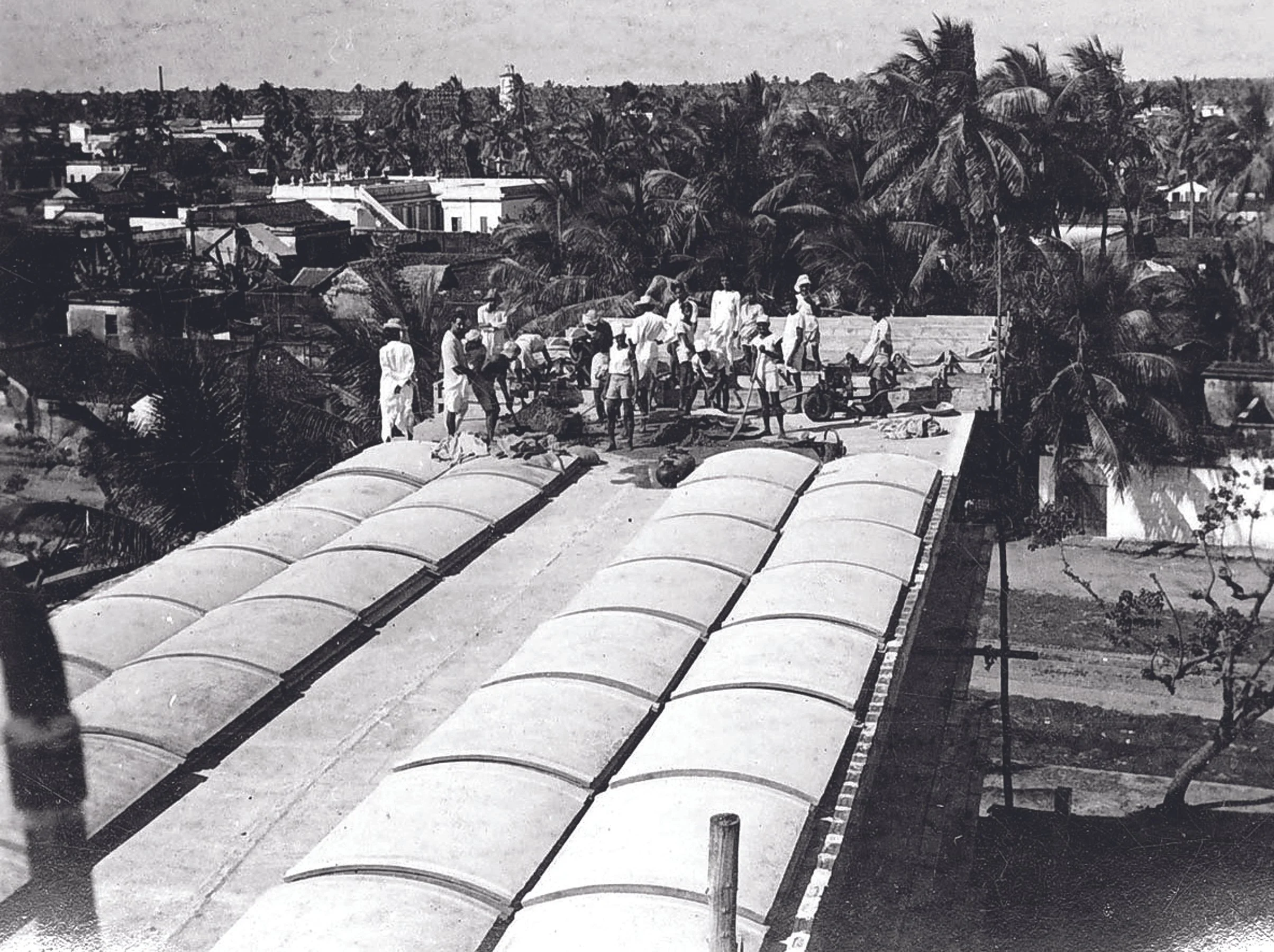
Piercing the Material Veil: Golconde’s Construction and Concrete’s Social Agency
This paper discusses the construction of Golconde, a reinforced concrete dormitory built for the Sri Aurobindo Ashram in Pondicherry through the late 1930s and 1940s, by drawing on diaries by architect George Nakashima and site coordinator Chandulal Shah, alongside correspondence, cost records, and recollections.
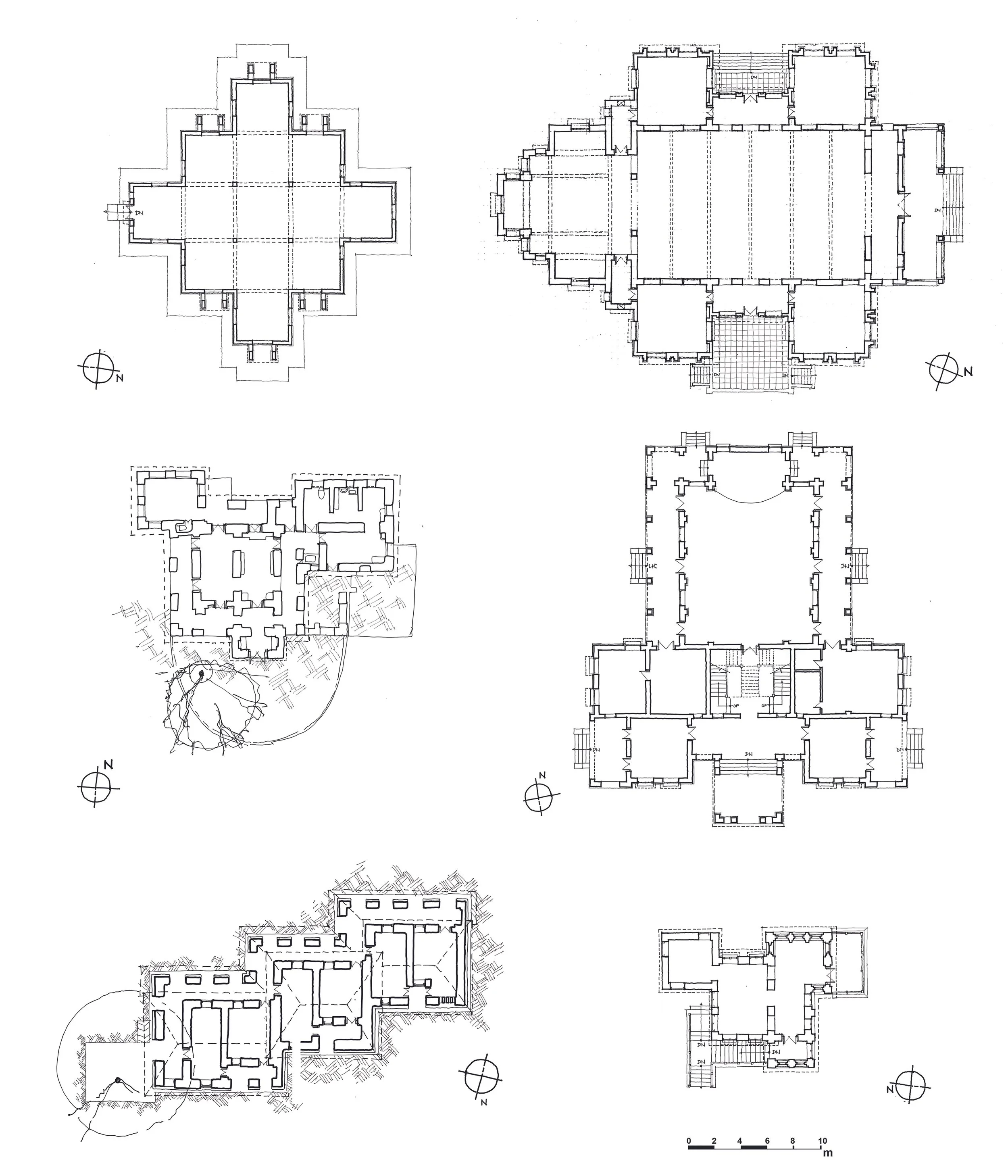
A Dialogue with Silence: Reassembling Surendranath Kar, an Architect, Incognito in Late-Colonial India
In societies under colonial rule, self-taught builders or designers far outnumbered architecture or engineering professionals. Yet, their practices continue to remain largely absent from architectural histories, owing to overwhelming archival silences. This article investigates the practice of Surendranath Kar (1892–1970), one such self-taught architect in twentieth-century colonial India.