
Written by Saptarshi Sanyal
This dissertation abstract of my doctoral research provides a concise account of how architectural and spatial practices in late-colonial India (1913–c.1948) experimented with experiences of modernity. Moving beyond accounts of anticolonial nationalism, international modernism, or those centring professional architects, I examine building as a collaborative process shaped by interpersonal relationships and transcultural exchanges. Through connected histories, multilingual archival research, fieldwork, architectural drawing, and digital mapping, the research traces networks through which ideas, expertise, finance, and labour circulated across India and beyond. Three detailed investigations anchor this approach: the experimental educational settlement of Visva-Bharati at Santiniketan; the construction of Golconde, a dormitory for the Sri Aurobindo Ashram in Pondicherry; and the practice of artist and self-taught architect Surendranath Kar. Together, these studies reveal how education, art, spiritual practice, and everyday experience informed architectural production and distributed authorship among diverse participants. The thesis argue that these architectural cultures expressed generative critiques of imperialism and dominant modern paradigms, revealing modernity as a heterogeneous process of becoming. The dissertation connects architectural history with broader social and cultural histories while foregrounding the human and affective dimensions of producing and inhabiting space.
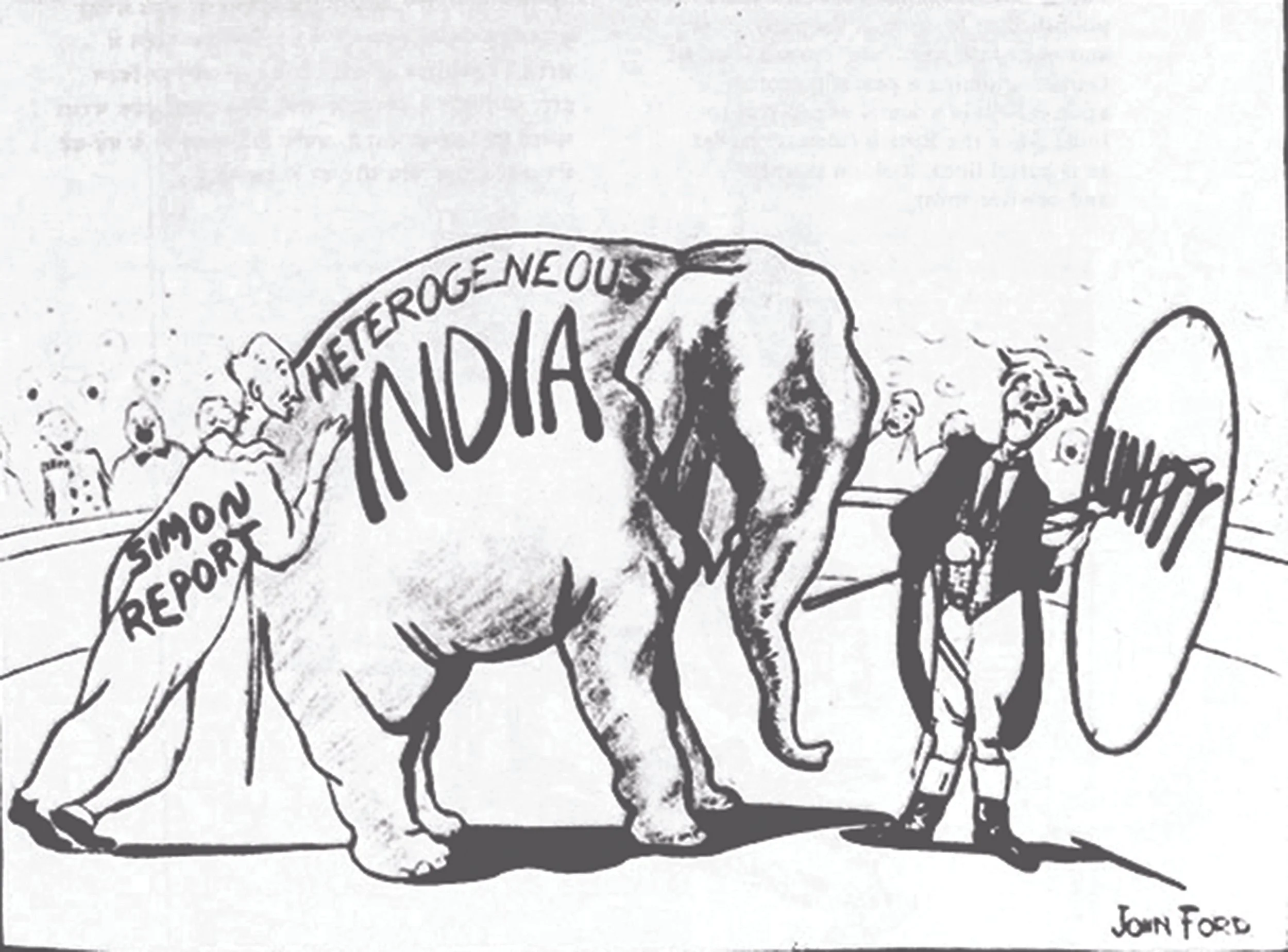
A cartoon that appeared in 1930 in the London Punch; source: Sabarmati Ashram Preservation and Memorial Trust, Ahmedabad (www.gandhiheritageportal.org)