

Tuesday, 17 March 2026 | SDE 4 Level 5 Forum
To remember, we often rely on mnemonic devices, whether we are dealing with personal, institutional, or collective memories. One crucial mnemonic device for evoking memory, reconstructing the past, and enabling recollection is the archive. Yet archives do not pre-exist their construction, and they are never neutral repositories of historical documents.
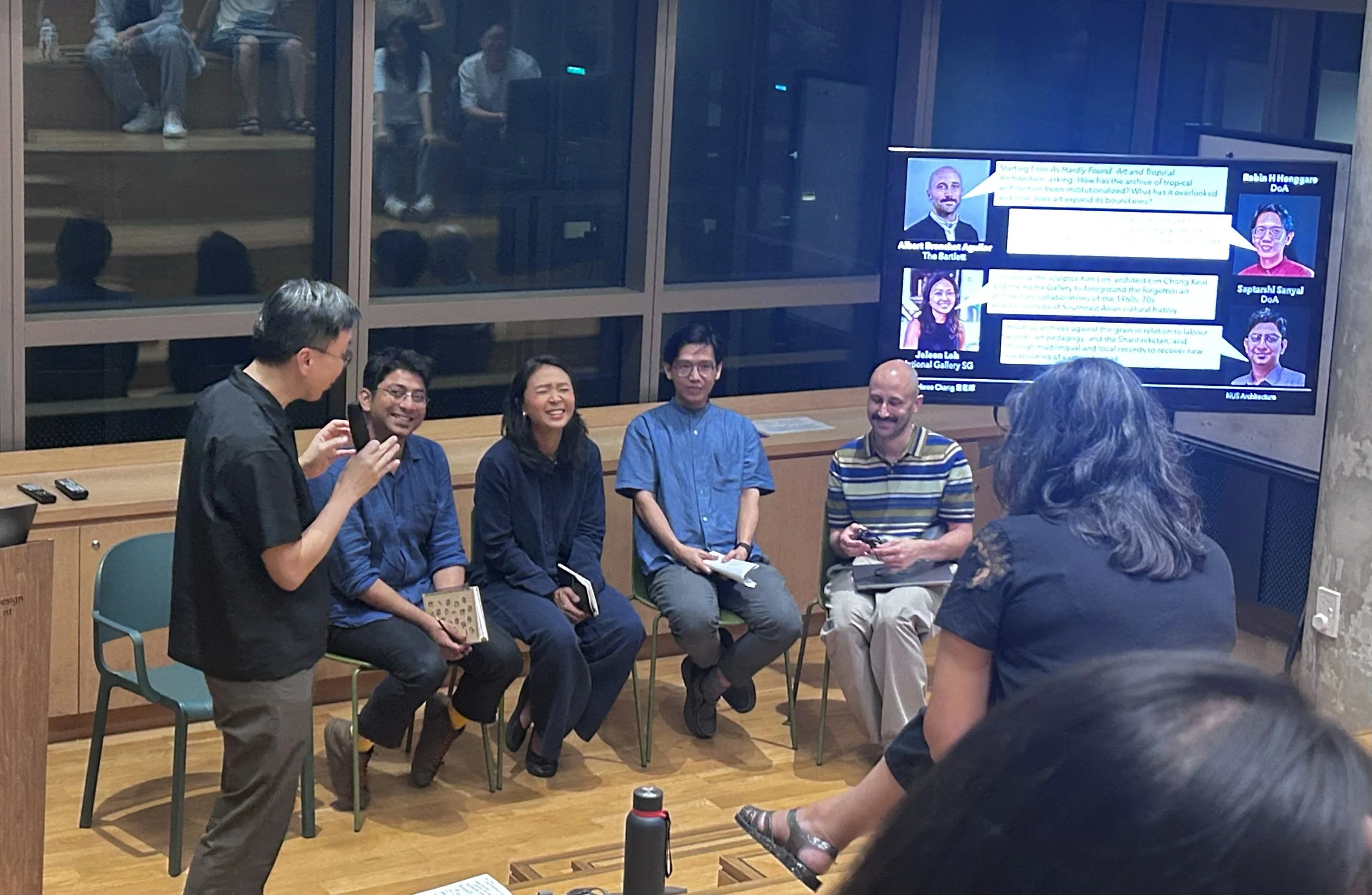
What kinds of communities, relations, and forms of labour are required to make an archive? What do these practices render visible or invisible, sayable or unsayable? And how might we contend with such archival saturations and silences when narrating our pasts? These were the questions engaged by our roundtable on archives and communities in architecture and art.
After a short introduction by Jiat Hwee, the talk was opened by our first speaker, Albert Brenchat Aguilar, a lecturer and the co-Director of Public Programme at the Bartlett School of Architecture. Taking his book As Hardly Found: Art and Tropical Architecture as an entry point, he investigates the institutionalisation of tropical architecture. He posed the question: what kind of knowledge and community does the very act of archiving create?
Our next speaker, Joleen Loh, is a curator at the National Gallery Singapore. Her sharing drew on the history of several Singaporean sculptors, architects and galleries to foreground the forgotten collaborations between the practices of Art and Architecture in the 1960s-70s. By revealing how much of this history was shaped by movement, travel, and interdisciplinary exchanges, she highlighted how certain artists had ‘resisted resolution’ from eurocentric narratives.
Our third speaker, Saptarshi Sanyal, questioned how, rather than focusing solely on buildings as objects of analysis, archives might spotlight a community and its network of participants involved in the process of architecture. Through reading archives in relation to labour, local and multilingual records, we can recover new vocabularies of care and repair.
Lastly, our last speaker Robin Hartanto Honggare centred his talk on the act of post-custodial archiving of Dutch colonial archives for Indonesian Architecture. Through examples of art, digital restitution, and public access, he examined how the politics of custodianship are not just about acknowledging history, but are tied to tangible infrastructures of access, redistribution, and their labour.
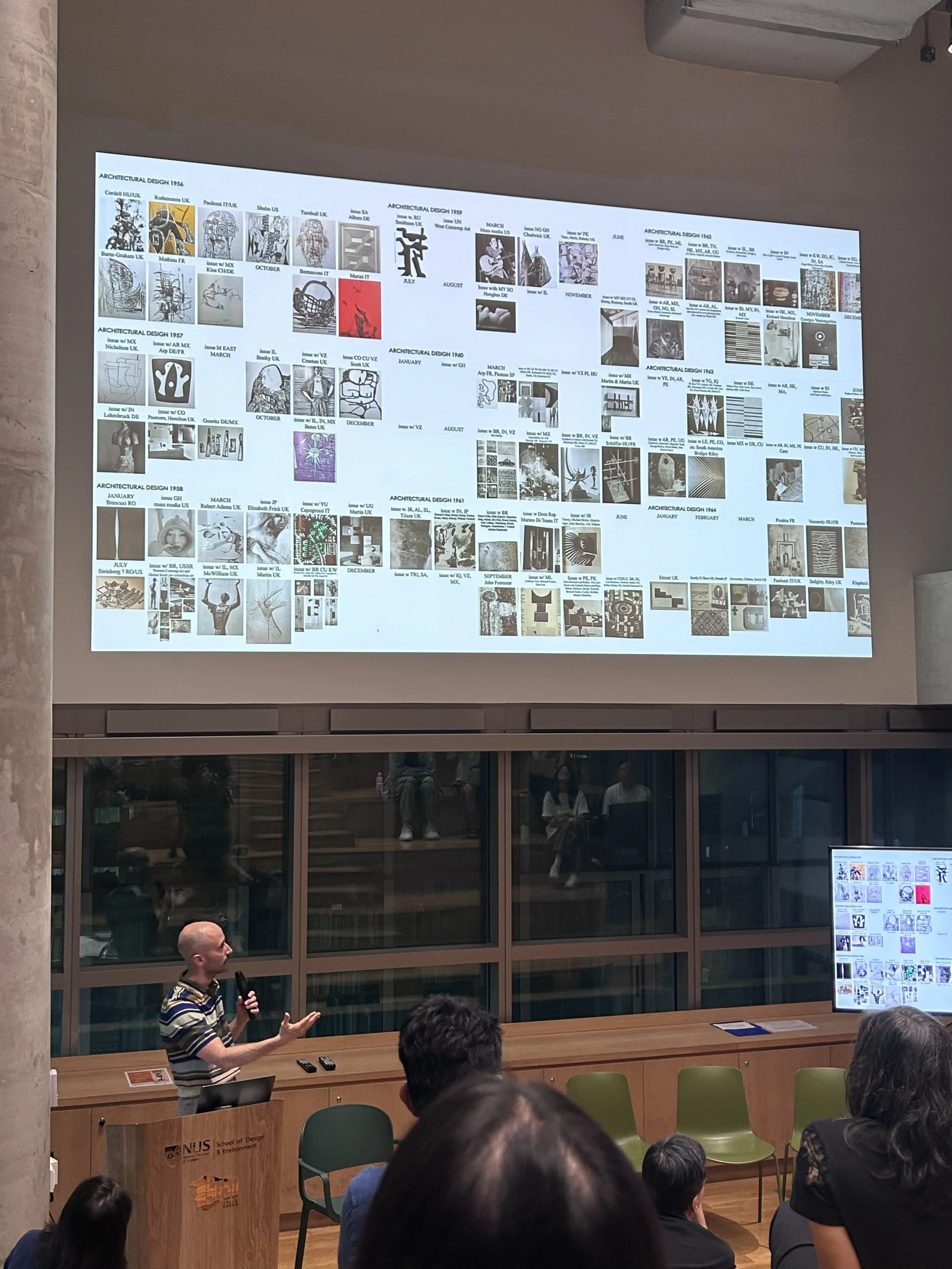
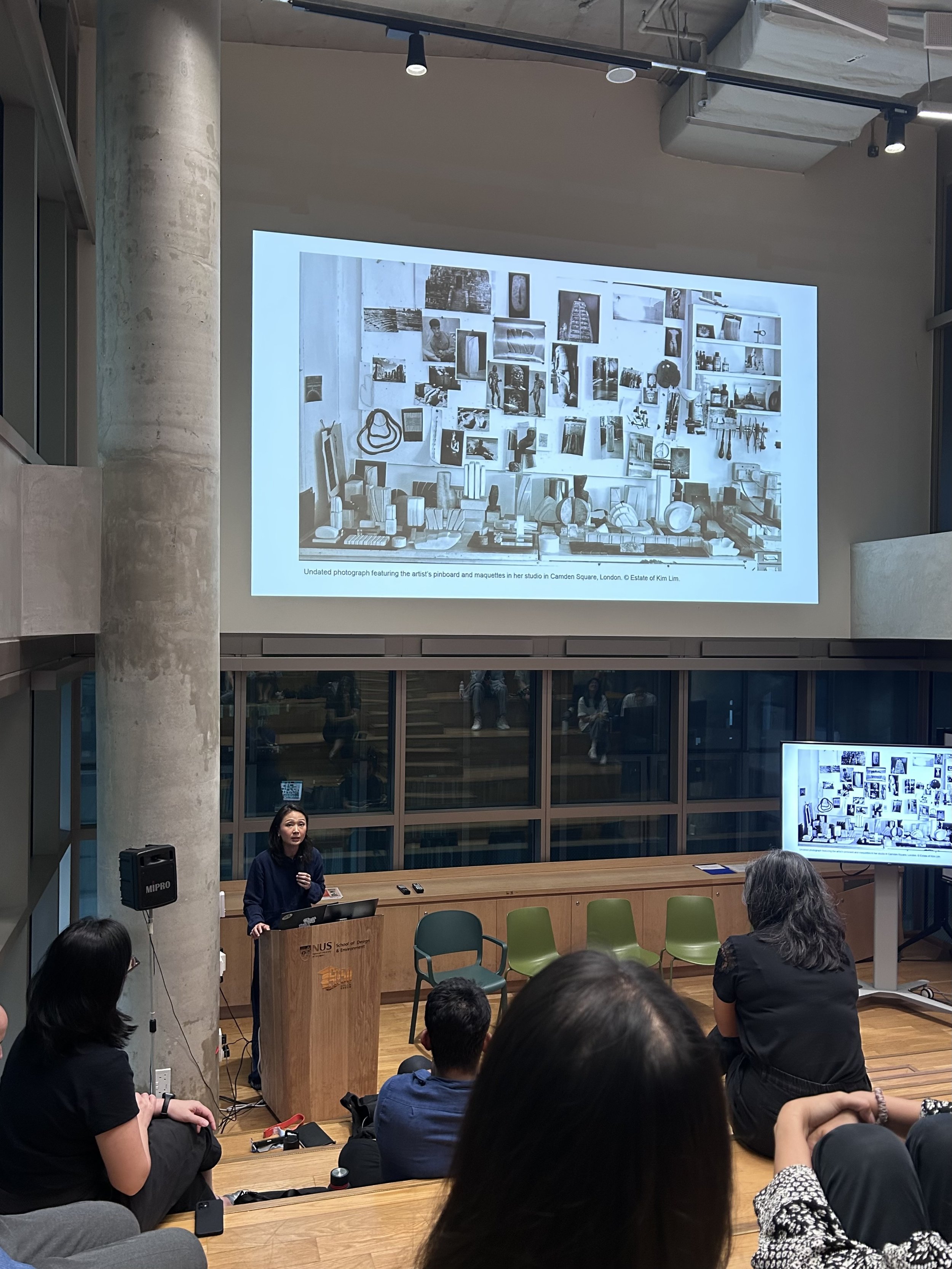
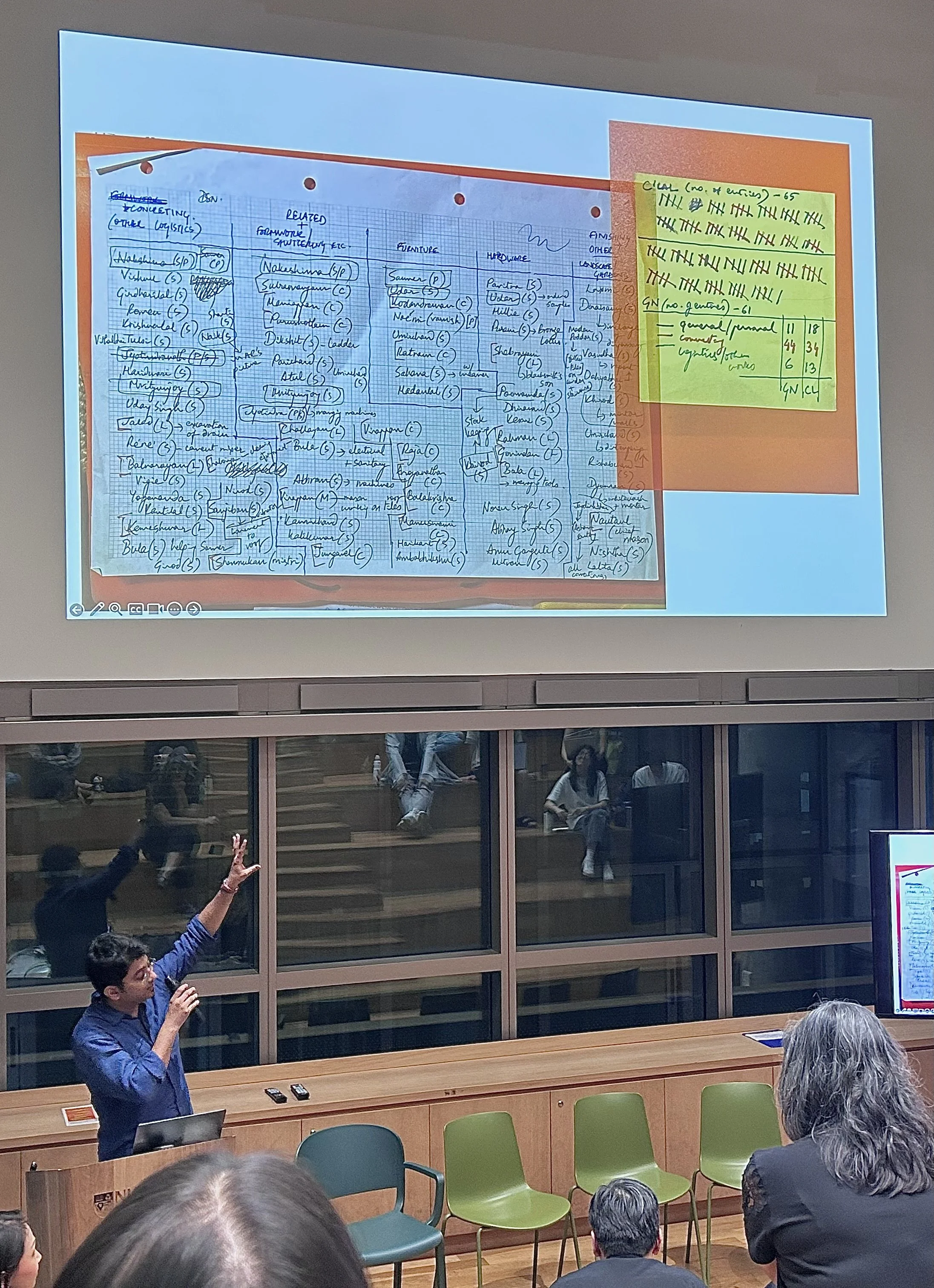
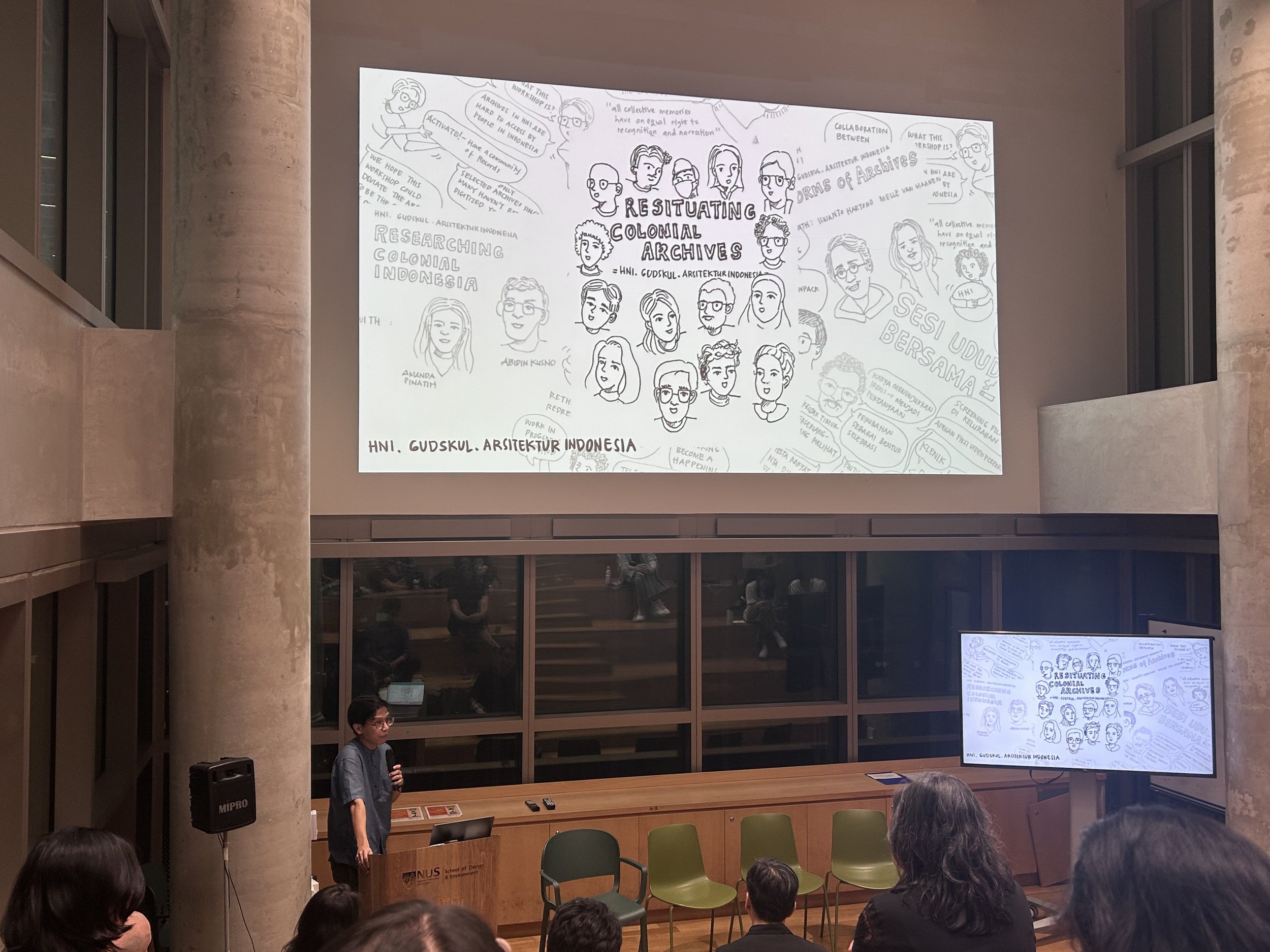
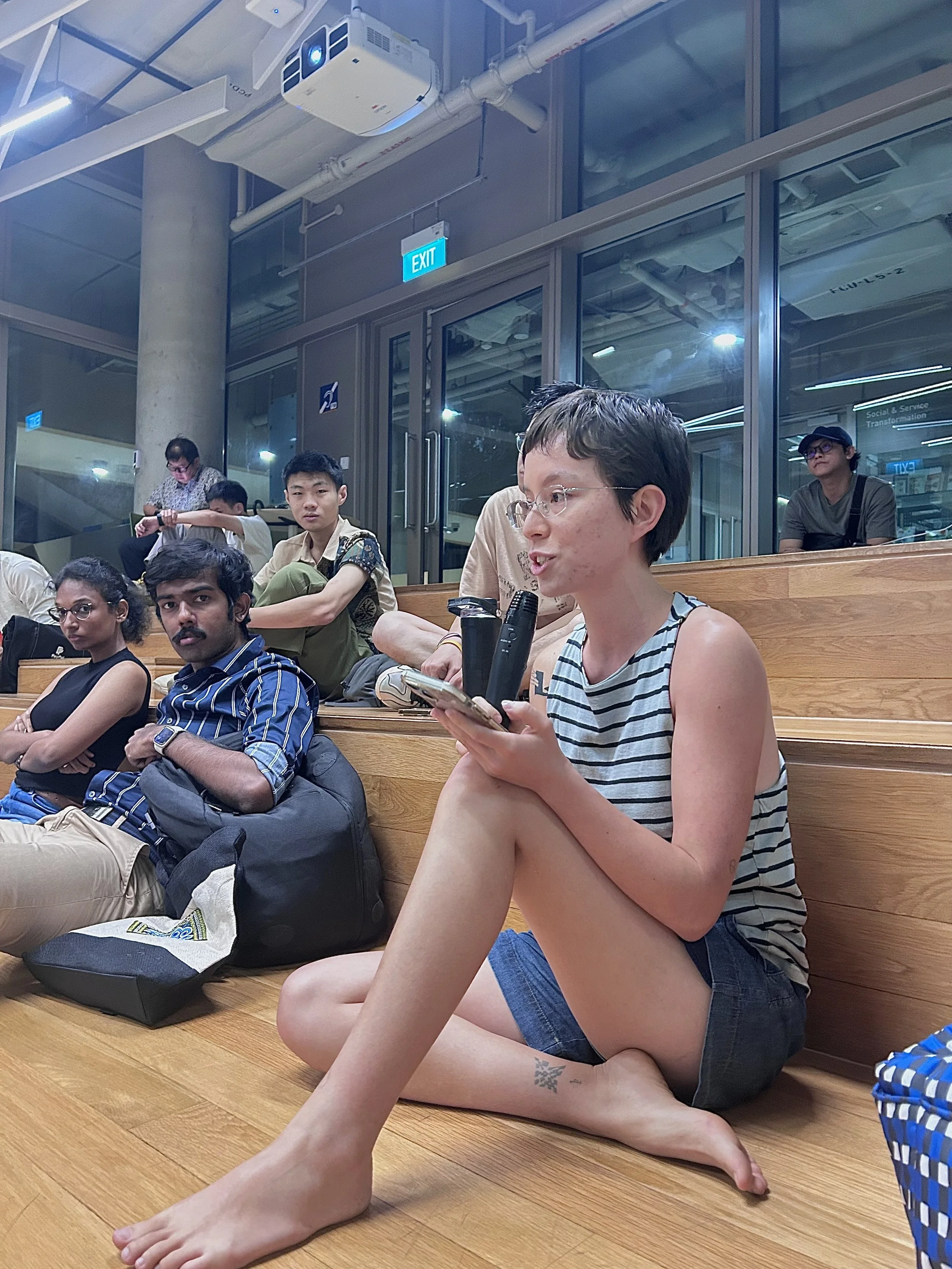
The four talks were followed by a lively QnA session, moderated by Jiat Hwee. Questions raised in the discussion surrounded themes such as the implications of gaps in narratives relating to potential history, and the value and risks that come with global recognition.
Thanks to everyone for coming!

Albert Brenchat Aguilar is a Lecturer and the co-Director of Public Programme at the Bartlett School of Architecture, UCL. His recent co-edited book Wastiary, A bestiary of Waste (2023) is open access at UCL Press. Recent articles include ‘Brutish Brutalism‘ in ARQ, 2025, and ‘Functional Environs‘, in Architectural Theory Review, 2023.
Joleen Loh is a Curator at National Gallery Singapore. Her past curatorial projects include Fear No Power: Women Imagining Otherwise (2026), Singapore Stories: Pathways and Detours in Art (2025) and Suddenly Turning Visible: Art and Architecture in Southeast Asia (1969–1989) (2019).
Robin Hartanto Honggare is Assistant Professor at the Department of Architecture, NUS
Saptarshi Sanyal is Assistant Professor at the Department of Architecture, NUS
Moderated by Chang Jiat Hwee, Dean’s Chair Associate Professor, NUS
Organised by the Laboratory of Architectural and Landscape Histories and Humanities (LALAHH), Department of Architecture, NUS