


RESEARCH AREA: Architectural History, STS, River Studies
Shen Boyang (申博洋) is a PhD student in the Department of Architecture, College of Design and Engineering, National University of Singapore. He holds an MSc in Architecture, Urbanism and Building Sciences (Architecture Track) from Delft University of Technology and a Bachelor of Architecture from Chongqing University. His varied life and research experience has made him open to a multi-perspective understanding of traditions of architecture and, above all, of architectural history across the diverse cultural contexts of the Eurasian world.
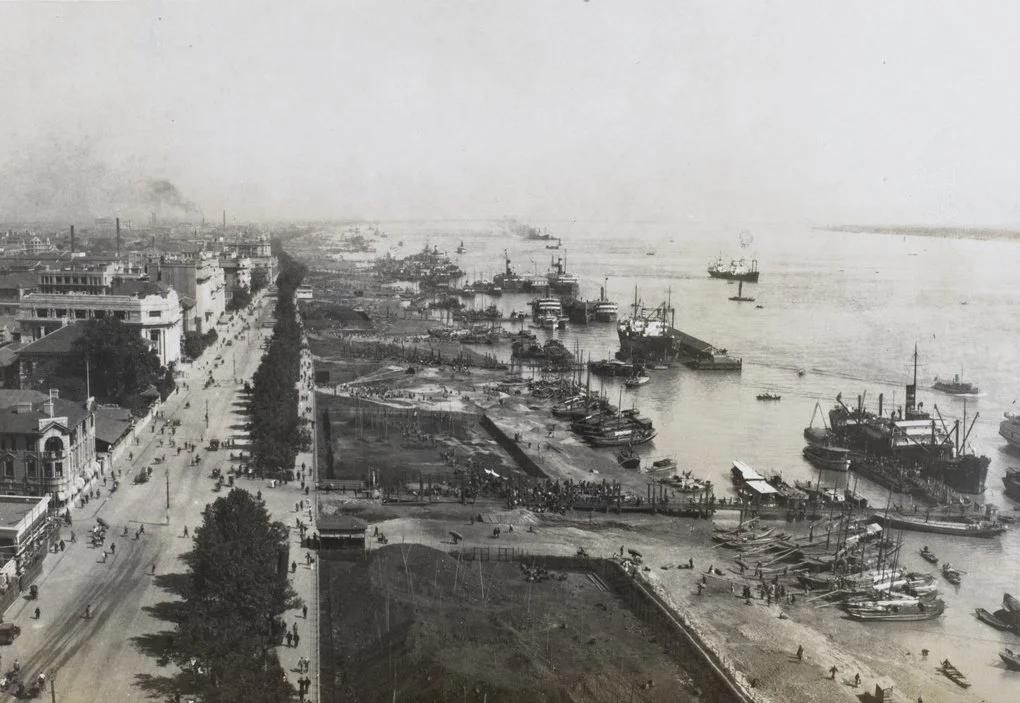
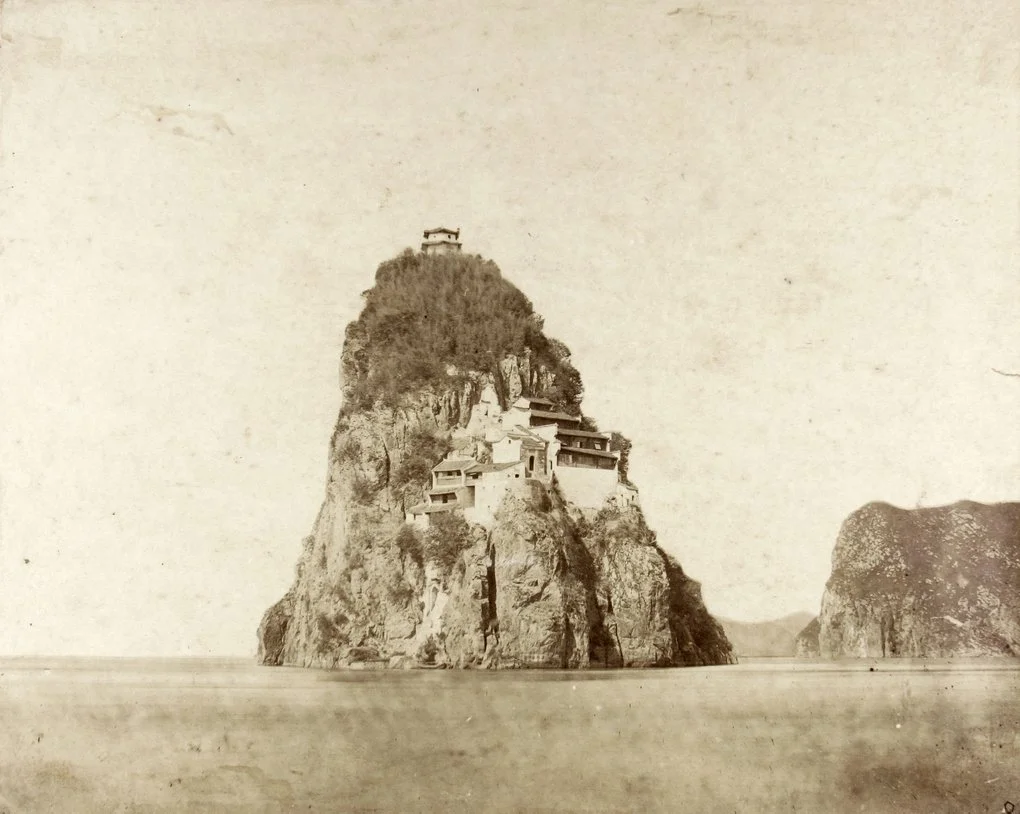
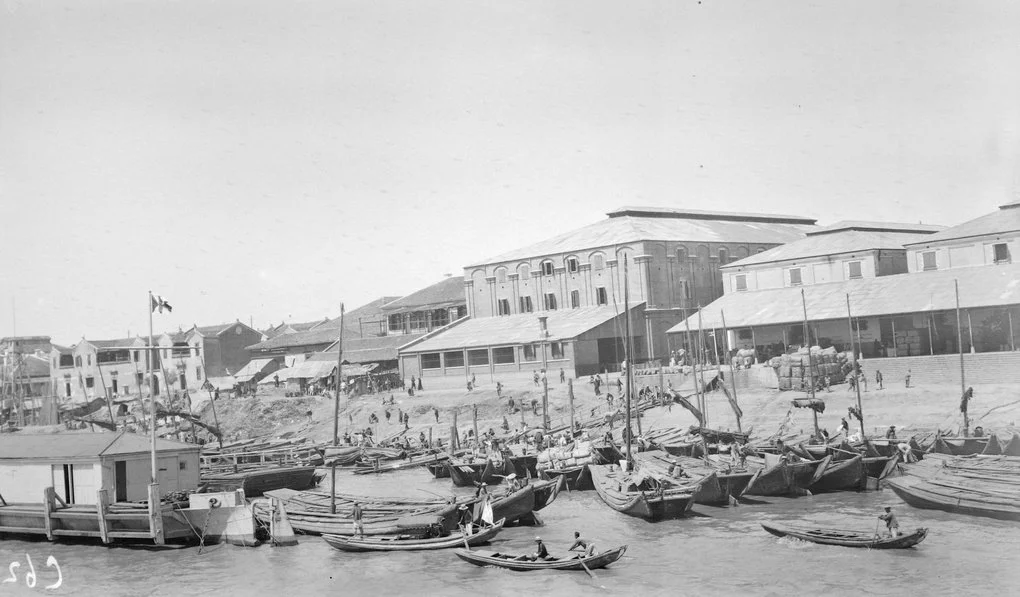
His doctoral research takes the Yangtze River as its subject. It examines the history of architecture in the water environments of Asian rivers during the nineteenth and twentieth centuries, as well as the broad material and spatial phenomena along land–water interfaces. It also explores the functioning of the institutions and mechanisms that facilitated the modern transformation of various aquatic environmental spaces. The work sits between architectural history, water environmental history, and the histories of infrastructure and engineering technology.
He is also interested in the cross-continental dissemination of architectural knowledge and ideas in the late nineteenth and early twentieth centuries. One strand of this work touches on how new styles, such as Art Nouveau and Art Deco, were practised and evolved inside and outside European contexts. Another follows the transfer of building materials, technologies and architectural production from Europe to China and Southeast Asia, focusing on cases such as prefabricated cast iron, both decorative and structural, and on how they were commodified, standardized and circulated locally.
PhD project:
This project studies the spatial modernization of the Yangtze River in the nineteenth and twentieth centuries. It examines water-related architecture and spaces along the Yangtze, and more broadly the inland waterways of East Asia, such as wharves, docks, port facilities, and other infrastructure types, together with the institutional agencies that planned, built and managed them. It draws on architectural history, water environmental history, and the histories of infrastructure and engineering technology.


Email: e1583565@u.nus.edu