

RESEARCH AREA: Modern architectural history, postcolonial and Cold War geopolitics, development and infrastructure studies.
Jane is an architectural historian, educator, and researcher focusing on the spatial implications of postcolonialism and nationalism in Thailand. Trained in architectural design and curatorial studies, she holds a BSc in Architectural Design (1st Class Honors, Design Excellence Award) from Chulalongkorn University's International Program in Design and Architecture (INDA), and a MS in Critical, Curatorial, and Conceptual Practices in Architecture (CCCP) from Columbia GSAPP.
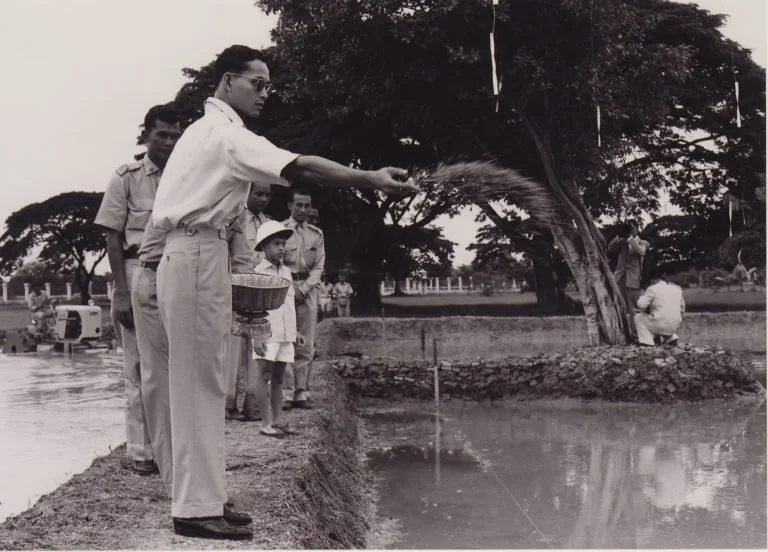
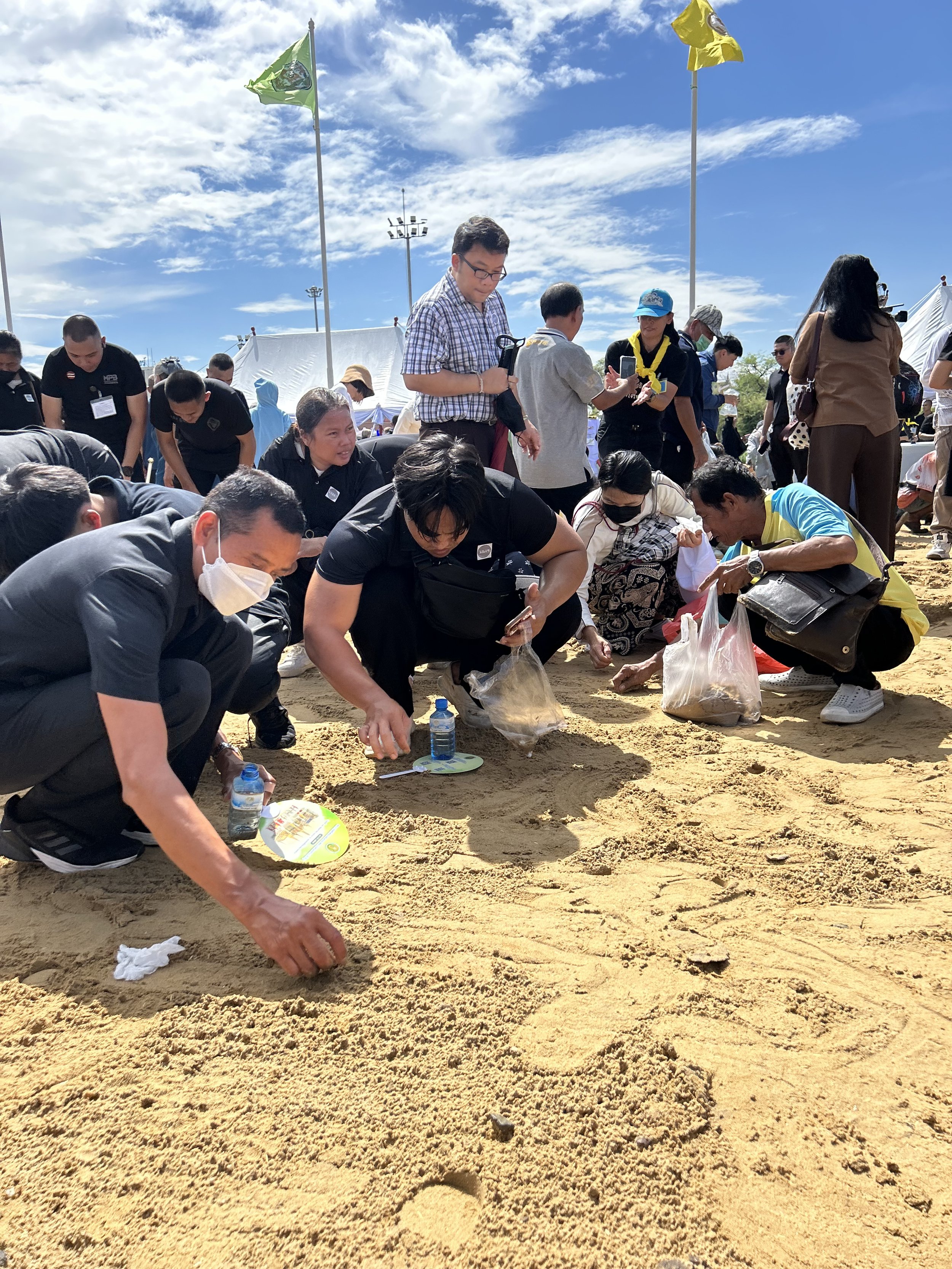
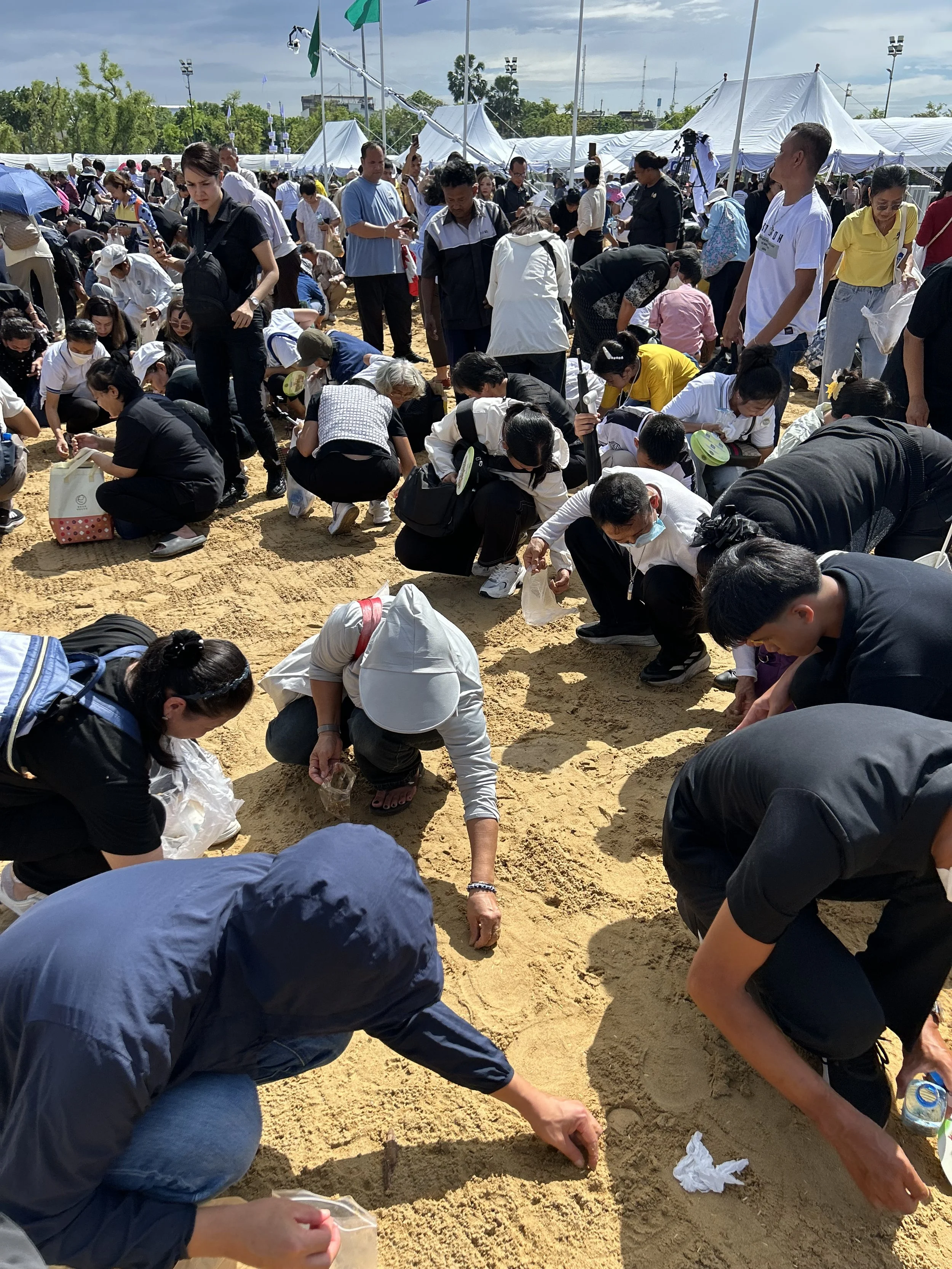
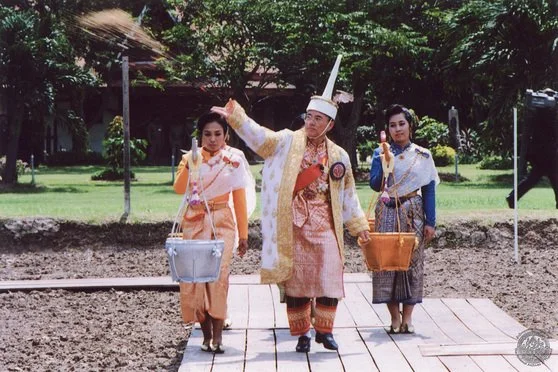
Her Columbia master’s thesis, “Performative Spaces: Nationalism and Decolonization in the Royal Architecture of the Ninth Reign in Thailand,” supervised by Mark Wasiuta, examined how royal architecture under King Bhumibol Adulyadej (1946–2016) operated as a set of “architectural gestures” that constructed a new monarchical identity and nationalism. Moving across the Chitralada Palace, Dusit Palace, and the Grand Palace, it traced royal agricultural and food products, the political use of royal charisma during Cold War anti-communist campaigns, and the mass rituals that bound Thai citizens to the monarchy. Her doctoral research extends this work into questions of development and infrastructure.
Jane is currently a PhD student in the Department of Architecture at the National University of Singapore (NUS), supported by the NUS Graduate Research Scholarship. In her first year, she received the Tan Cheng Siong Research Award, and was nominated by the department for the President’s Graduate Fellowship.
Prior to joining NUS, she has over seven years of experience teaching architectural design and history/theory at INDA, Chulalongkorn University, where she has also served as Assistant Director, Second-Year Coordinator, and faculty member.
PhD project: Against Secular Modernity: Royal Architecture and Cosmological Sovereignty in Cold War Thailand
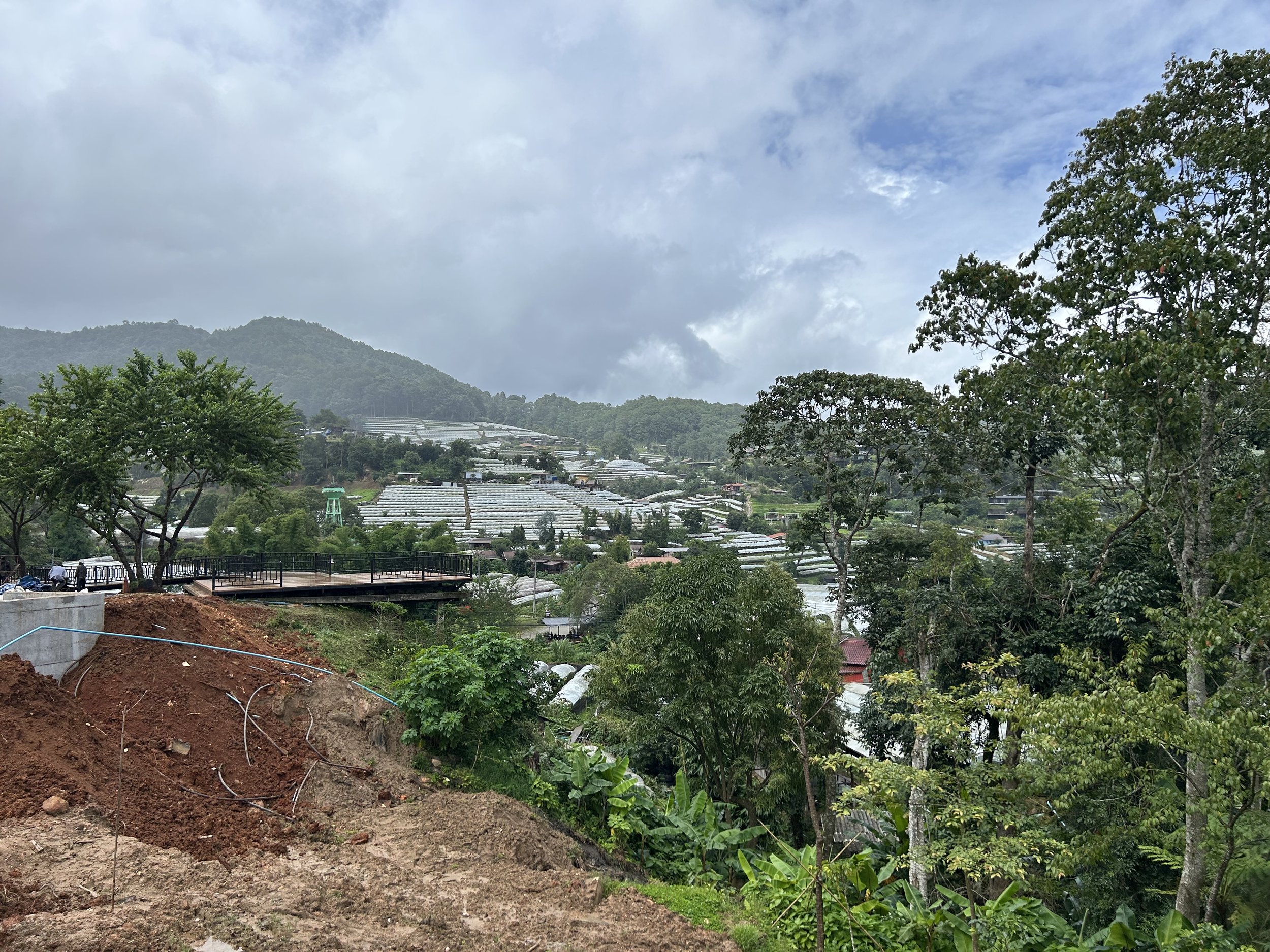
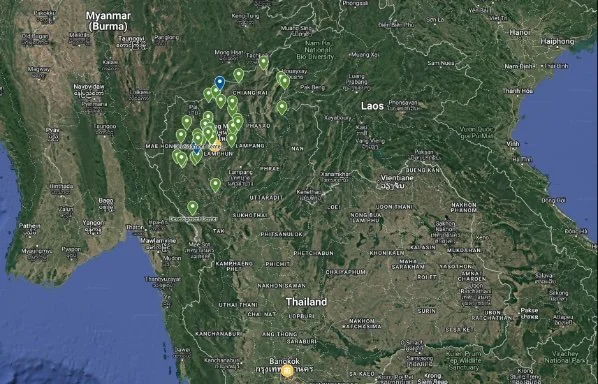
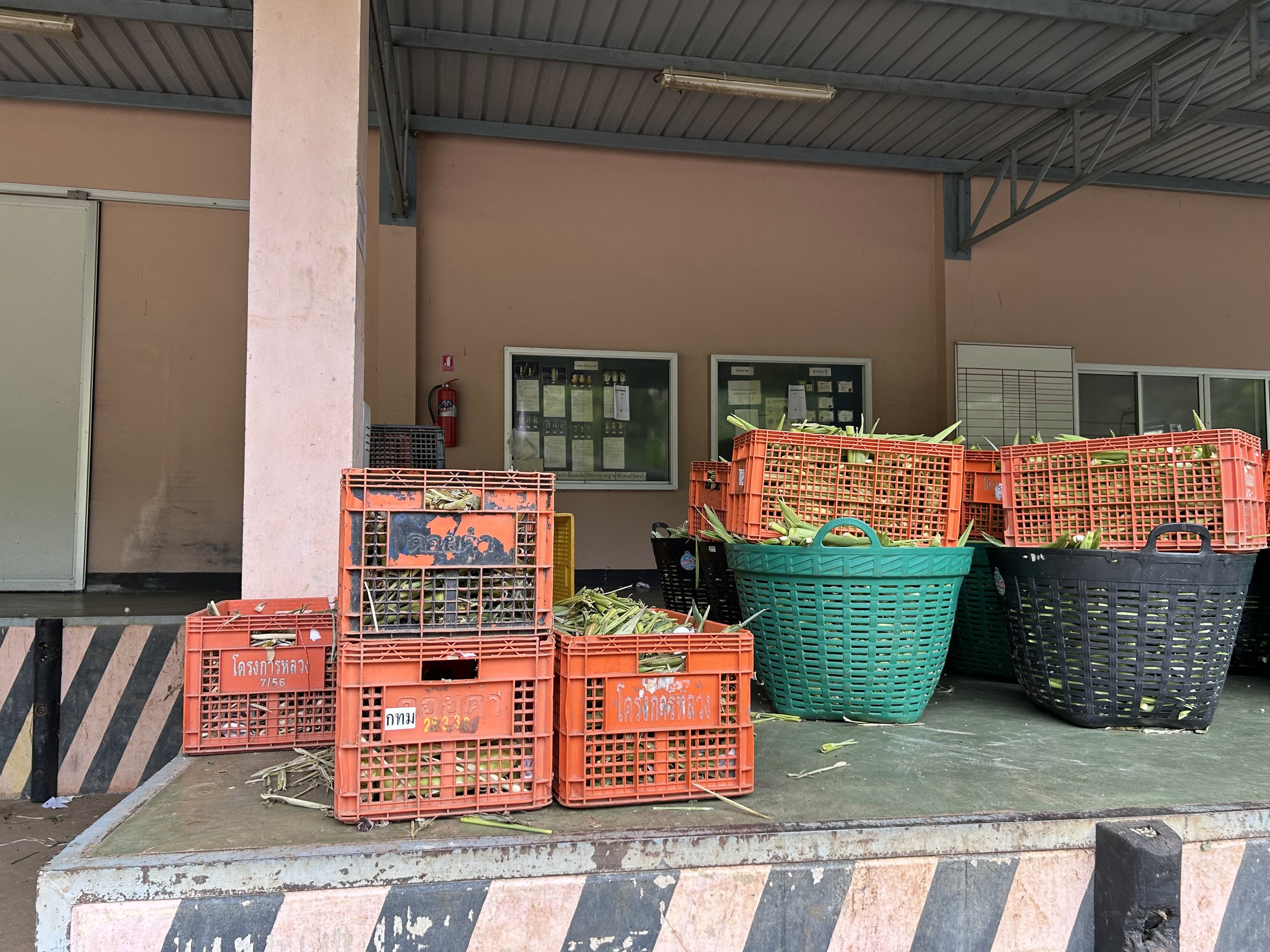
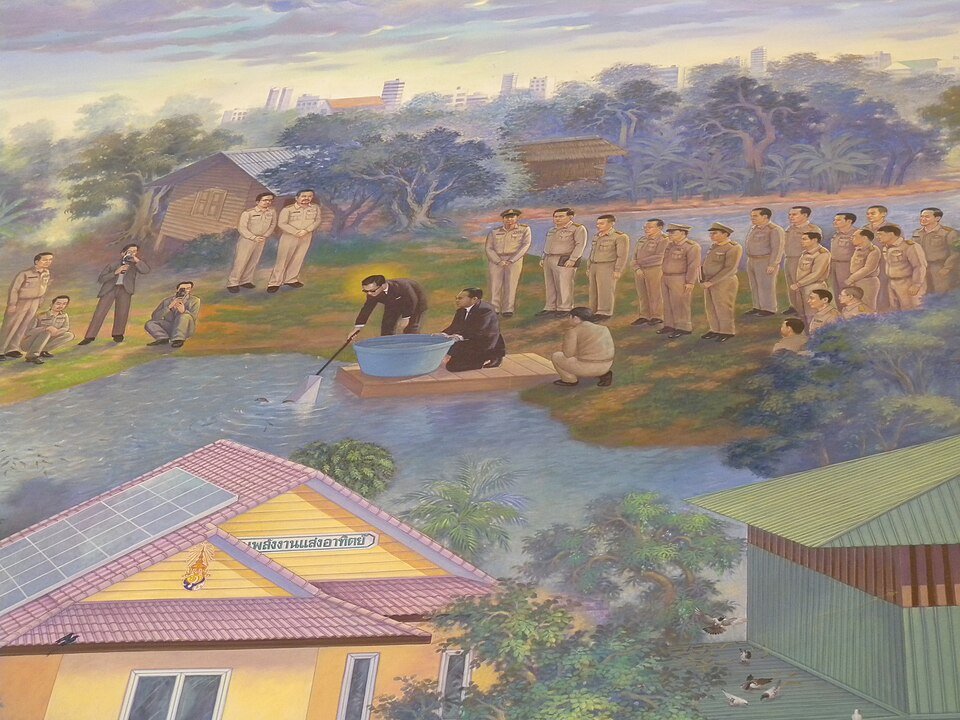
The project examines how architecture, ritual performance, and material culture functioned as infrastructures of cosmological sovereignty in modern Thailand during the reign of King Bhumibol Adulyadej (1946–2016). Building on critiques of singular, secular modernity, it argues that Cold War development, anti-communist state-building, and global capitalist integration did not displace cosmological kingship but strategically reconstituted and spatialized it. Architecture, in this account, was the performative medium through which royal cosmology was reaffirmed within developmental modernity. The project traces how development infrastructure, from agricultural projects to rural tours and roads, positioned the monarchy as the moral center of the anti-communist nation, and reads the Royal Project Foundation’s highland stations, established under Cold War opium-replacement crop policy, as a “sovereign ecology.” It also follows the Foundation’s afterlives as consumer infrastructure: its food products, such as rice crackers, and the retail architecture of its outlets in airports and shopping malls, where a Cold War political project has passed into everyday material and spatial culture. From these cases, it proposes the concept of “cosmological modernity,” a formation in which global capitalist development and Cold War geopolitics were absorbed into enduring cosmological orders of Buddhist kingship and agrarian sovereignty.